Best overall for public streets: a factory-certified low-speed vehicle (LSV). Best for private neighborhood lanes: a compact electric golf cart. Best for carrying passengers: a cart with factory-installed forward-facing seats. This 2026 guide separates those choices so you buy for your actual route; Atechequip provides mobile golf cart repair and maintenance in Northeast Ohio.
- The best golf carts for neighborhood use match your route, passenger needs, charging access, and local road rules.
- Choose a factory-certified LSV for public-road plans, then confirm permission for every street on your route.
- A compact electric golf cart suits private lanes when you have an approved charging location.
- Atechequip provides mobile golf cart repair and maintenance for Northeast Ohio homeowners and businesses.
Why this matters
A golf cart that works around a campground is not automatically legal for the drive from your house to a friend's driveway. Lights, mirrors, and a windshield do not establish federal vehicle classification or local road permission.
For a 2026 purchase, settle the route before comparing seats or batteries. The wrong vehicle classification can rule out your intended trip before comfort or driving range matters.
What makes the best golf carts for neighborhood use
Use these criteria to narrow the field before visiting a seller:
- Road eligibility: Confirm the vehicle's classification and the rules covering each public street you intend to use.
- Passenger layout: Count designated seats, then check restraints, foot space, and boarding access for your passengers.
- Charging or fueling: Match the power source to the facilities you actually have at home.
- Braking and handling: Evaluate stopping, steering, parking-brake operation, and visibility on a safe demonstration route.
- Service access: Identify the vehicle and battery manufacturer, maintenance requirements, and access to replacement parts.
- Condition and documentation: Check identifying labels, service records, charger compatibility, and evidence of alterations.
There is no single winner across all six criteria. A road-approved vehicle solves a different problem from a simple cart that never leaves private property.
Best neighborhood golf cart options at a glance
These are buying configurations, not a ranking of manufacturers. Choose the row that matches your main use, then compare individual vehicles within that group.
| Rank and option | Best for | Standout feature | Key limitation |
|---|---|---|---|
| 1. Factory-certified LSV | Public-street plans | Documented federal vehicle classification | Local route permission still needs checking |
| 2. Compact electric golf cart | Private neighborhood lanes | A simple layout for short property trips | Conventional carts are not automatically road-legal |
| 3. Factory forward-facing passenger cart | Carrying family or guests | Purpose-built passenger seating | Seat layout alone establishes no road approval |
| 4. Lithium-battery electric cart | Frequent trips with home charging | A battery option without flooded-cell watering | Battery, charger, and controls must be compatible |
| 5. Gas-powered golf cart | Locations without suitable charging | Refueling instead of battery charging | Engine maintenance, exhaust, and operating noise |
1. Factory-certified LSV: best for public-street plans
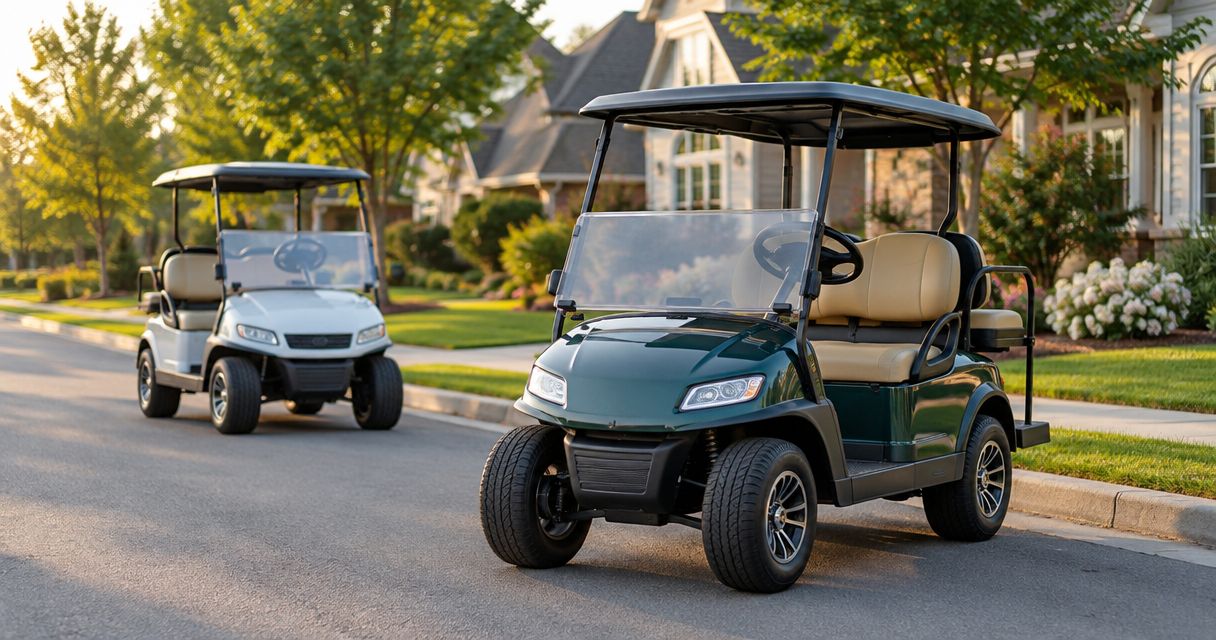
A factory-certified low-speed vehicle is the first category to investigate when your route includes public roads. Under the federal definition, an LSV has four wheels, a gross vehicle weight rating below 3,000 pounds, and a maximum speed greater than 20 mph but no greater than 25 mph under the specified test conditions.
Federal Motor Vehicle Safety Standard No. 500 sets equipment requirements for LSVs. Federal classification does not grant permission to use every road: state and local rules still determine where you can drive.
Factory-certified LSV pros:
- Certification documentation gives you a starting point for verifying classification.
- Required equipment includes items such as lighting, mirrors, and seat belts.
- The category directly addresses low-speed motor-vehicle use rather than golf-course use alone.
Factory-certified LSV cons:
- Local registration, inspection, insurance, and road-access requirements still need checking.
- Low-speed capability does not make a vehicle appropriate for faster surrounding traffic.
Best for: Buyers whose planned neighborhood trips include public streets.
For your 2026 shortlist, request the certification label and vehicle identification information before accepting a seller's street-legal claim. Then confirm the proposed route with the relevant local authority.
Verdict: Buy for public-street plans only after vehicle documentation and local route permission both check out.
2. Compact electric golf cart: best for private neighborhood lanes
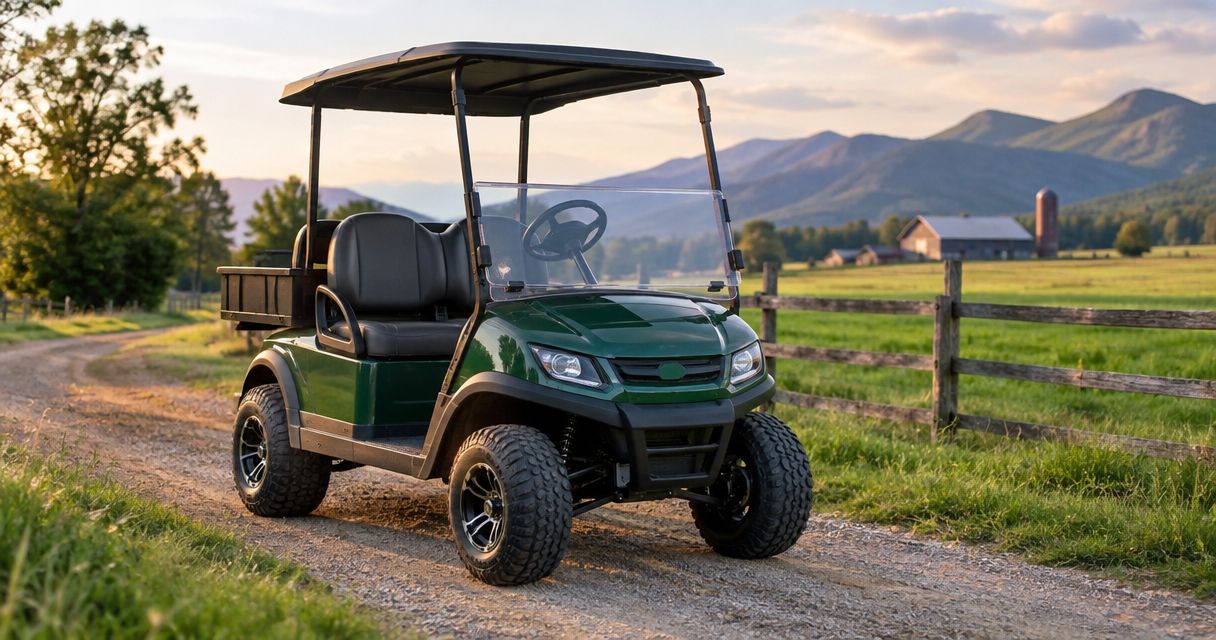
A compact electric golf cart fits short trips on private property where the property owner permits cart use. It keeps the buying decision focused on seating, condition, charging, and maneuvering rather than adding passenger capacity you do not need.
Electric propulsion eliminates engine exhaust at the vehicle. It does not eliminate maintenance: brakes, tires, steering components, wiring, and the battery system still need attention.
Compact electric golf cart pros:
- No gasoline engine exhaust during operation.
- A basic seating layout keeps the passenger requirement straightforward.
- Home charging removes the need to store gasoline for the cart.
Compact electric golf cart cons:
- A conventional golf cart is not automatically approved for public streets.
- Battery condition and charger compatibility are central purchase checks.
Best for: Short private-lane trips without a need for extra passenger seating.
Bring the cart through the kinds of turns and parking spaces you expect to use, with permission and under safe conditions. Check entry, exit, sightlines, and storage fit instead of judging size from a photograph.
Verdict: Buy for private-property use when the seating, charging arrangement, and mechanical condition fit your needs.
3. Factory passenger cart: best for carrying family or guests
A cart with factory-installed forward-facing passenger seating deserves a separate comparison when carrying people is the main job. Evaluate the whole seating arrangement, not just the advertised passenger count.
Designated seats, restraints, foot space, and handholds need to suit the intended riders. Extra seating does not establish road legality, and a rear-seat conversion does not by itself prove that the vehicle's load limits support your plans.
Factory passenger cart pros:
- Passenger accommodation is part of the original vehicle configuration.
- Forward-facing seating lets you evaluate every rider's view and access.
- Manufacturer documentation provides a reference for seating and load limits.
Factory passenger cart cons:
- More seating does not remove passenger or cargo weight limits.
- A larger layout requires checking storage space and turning clearance.
Best for: Households that regularly carry passengers rather than just a driver.
Check the manufacturer's instructions for child passengers and restraints. Do not assume a golf cart seat belt provides the same child-restraint installation provisions as a passenger car.
Verdict: Buy when passenger accommodation is the priority and the documented seating arrangement suits everyone riding.
4. Lithium-battery electric cart: best for frequent home-charged trips
A lithium-battery electric cart is an option for buyers who want electric propulsion without flooded lead-acid battery watering. Start with a documented battery system and its specified charger, whether the battery is factory-installed or part of a conversion.
The word lithium does not establish driving range, hill performance, or remaining battery life. Those depend on the particular battery, vehicle, loading, route, and condition.
Lithium-battery electric cart pros:
- No flooded-cell electrolyte watering.
- No gasoline engine exhaust during use.
- Charging at home fits a repeatable parking routine.
Lithium-battery electric cart cons:
- Battery, charger, and vehicle controls must work together correctly.
- A used conversion needs documentation beyond a seller's battery description.
Best for: Frequent neighborhood trips with a suitable charging location.
Ask for battery identification, installation records, operating instructions, and fault information. For a 2026 used-cart purchase, treat undocumented electrical alterations as an inspection issue, not an upgrade to accept on appearance.
Verdict: Buy a documented, compatible system; hold on a conversion until its installation and condition are checked.
5. Gas-powered golf cart: best where charging is impractical
A gas-powered golf cart suits a property where suitable electrical charging is not available. Its main distinction is the fueling arrangement, not an automatic advantage in climbing, towing, or carrying capacity.
Engine oil, fuel-system condition, air filtration, and ignition components become part of the maintenance picture. Gasoline engines also produce exhaust, so never operate one in an enclosed garage or other enclosed space.
Gas-powered golf cart pros:
- Does not depend on an electrical charging location.
- Refueling supports use away from home charging facilities.
- Fits buyers who prefer an engine-based maintenance routine.
Gas-powered golf cart cons:
- Produces exhaust and engine noise during operation.
- Requires fuel storage and engine maintenance as well as chassis maintenance.
Best for: Private-property users without a practical charging arrangement.
Check community rules before choosing gas. Permission to use carts does not settle whether the property imposes restrictions on engine-powered vehicles.
Verdict: Buy when charging is the obstacle; skip if exhaust, noise, or property rules conflict with your use.
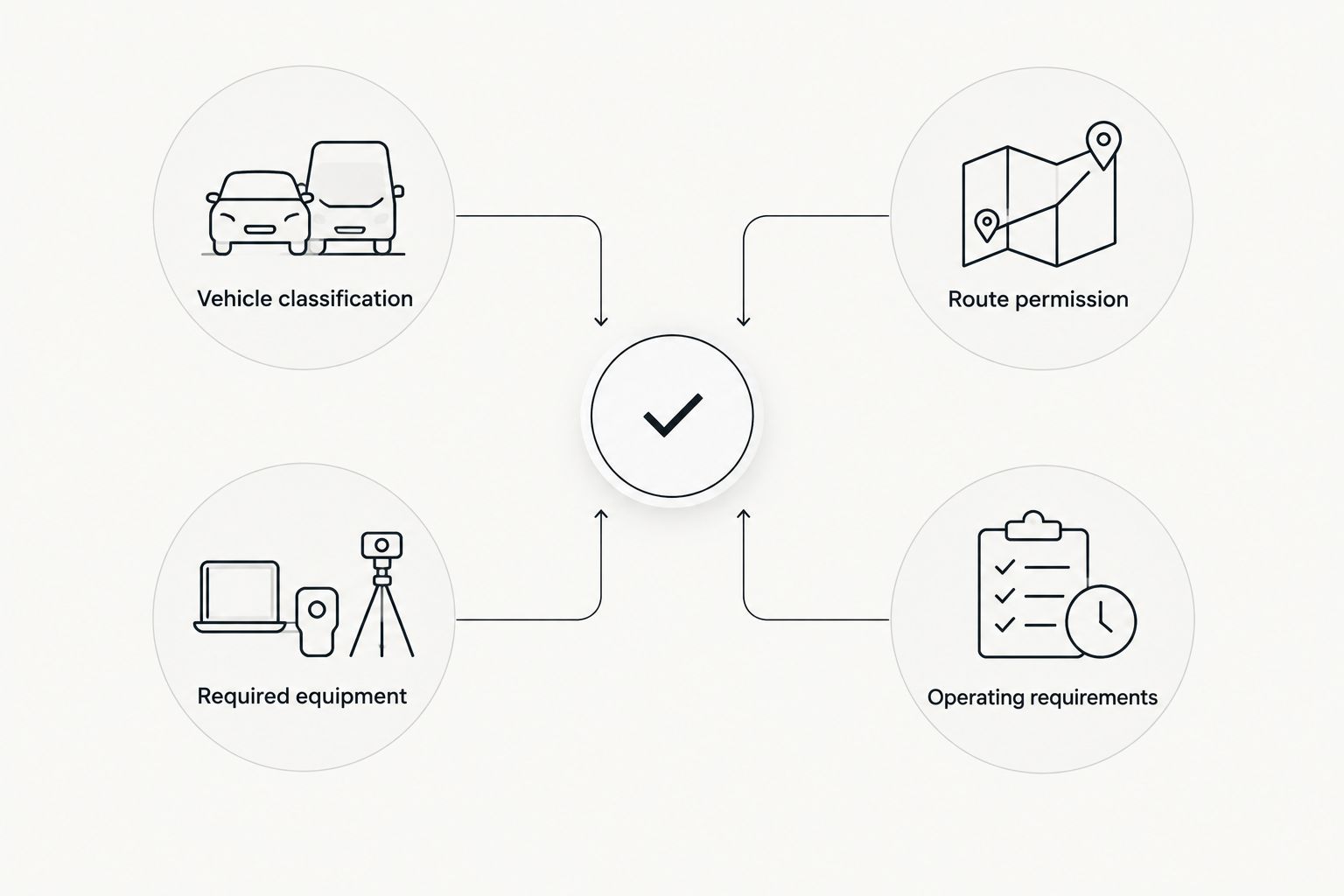
Street-legal golf cart or LSV: check both layers
For a 2026 neighborhood purchase, separate the vehicle question from the road question. A seller's description cannot answer both.
- Vehicle classification: Check manufacturer identification, certification labels, and relevant vehicle documents.
- Required equipment: Verify what the applicable classification and local inspection process require.
- Route permission: Ask the local authority about the specific streets and crossings you intend to use.
- Operating requirements: Confirm licensing, registration, insurance, and passenger rules for that location.
Federal Motor Vehicle Safety Standard No. 500 covers LSV equipment requirements. Your local authority determines applicable road access and operating requirements; neither check replaces the other.
Inspect the cart before you commit
A useful demonstration starts with the cart in its normal parked condition, not after the seller has already driven it around. Ask permission before testing controls, opening compartments, or inspecting components.
Work through these checks:
- Identify the vehicle. Match identifying information to the documents and record the exact model.
- Inspect the structure. Look for corrosion, damaged mounts, loose seating, and evidence of collision repairs.
- Check the controls. Test steering, service brakes, parking brake, and required lighting in a safe area.
- Review the power system. Check battery and charger identification or engine maintenance records, as applicable.
- Drive your use case. Evaluate starting, stopping, turning, and passenger access without exceeding documented limits.
Stop the demonstration if the cart has unreliable braking, damaged restraints, smoke, a fuel leak, or exposed damaged wiring. Those are repair issues, not bargaining points to overlook.
Atechequip provides golf cart repair and maintenance at your location in Northeast Ohio. Mobile service fits owners who want equipment serviced where it is kept; it does not replace vehicle certification or local road approval.
Arrange golf cart service
Mobile golf cart repair and maintenance for homeowners and businesses in Northeast Ohio.
How the options are ranked
This ranking prioritizes intended route, passenger needs, power arrangements, and serviceability. It does not claim hands-on comparison testing or rank manufacturers by unsupported reliability scores.
The factory-certified LSV leads because public-road plans create a classification question first. The remaining choices address distinct buying needs: private lanes, passengers, home charging, or a lack of charging access.
Which neighborhood golf cart should you choose?
For public-street plans, start with a factory-certified LSV and verify the route. For private lanes, start with a compact electric cart and add seating only when you need it.
Choose the passenger configuration before the battery preference when carrying people is the main job. Choose the charging arrangement before cosmetic accessories when the cart will live at home.
Atechequip is a service choice for Northeast Ohio golf cart owners who need mobile repair and maintenance. Keep that maintenance decision separate from choosing a manufacturer or establishing road legality.
FAQ
What's the best golf cart for neighborhood use?
A factory-certified LSV is the first category to consider for public-street plans; a compact electric golf cart fits private-lane use. Confirm local road permission, seating needs, and charging access before choosing an individual vehicle.
Is a golf cart street-legal if it has lights and seat belts?
Lights and seat belts alone do not establish that a golf cart is street-legal. Check the vehicle's classification and the registration, inspection, insurance, and equipment requirements that apply locally.
What's the difference between a golf cart and an LSV?
An LSV is a federally defined vehicle category with specific speed, weight, and equipment requirements. A conventional golf cart does not automatically meet that classification, and local rules determine permitted road use.
Is an electric golf cart better than a gas golf cart?
An electric golf cart fits buyers with suitable charging access, while a gas cart addresses locations where charging is impractical. Electric carts still need battery and chassis maintenance; gas carts add engine maintenance and produce exhaust.
Should I buy a lithium golf cart for neighborhood trips?
Choose a lithium-battery cart when its charging requirements and documented system fit your use. Verify battery, charger, and vehicle compatibility rather than assuming the battery label proves range or condition.
What should I check on a used neighborhood golf cart?
Check vehicle identity, structure, brakes, steering, passenger seating, and the power system before buying. Review maintenance records and investigate modifications, especially battery conversions and added seating.
Does Atechequip repair golf carts at my location?
Atechequip provides mobile golf cart repair and maintenance for homeowners and businesses in Northeast Ohio. Confirm your location and the work needed when arranging service.
One last thing
Before buying in 2026, write down the exact route you expect to drive, including every crossing. A trip that stays mostly inside a neighborhood still needs a separate check wherever it enters a public road.
Bring that route, the vehicle identification information, and your passenger requirements to the decision. Buy the cart that fits the trip, not the accessories that make it look ready.