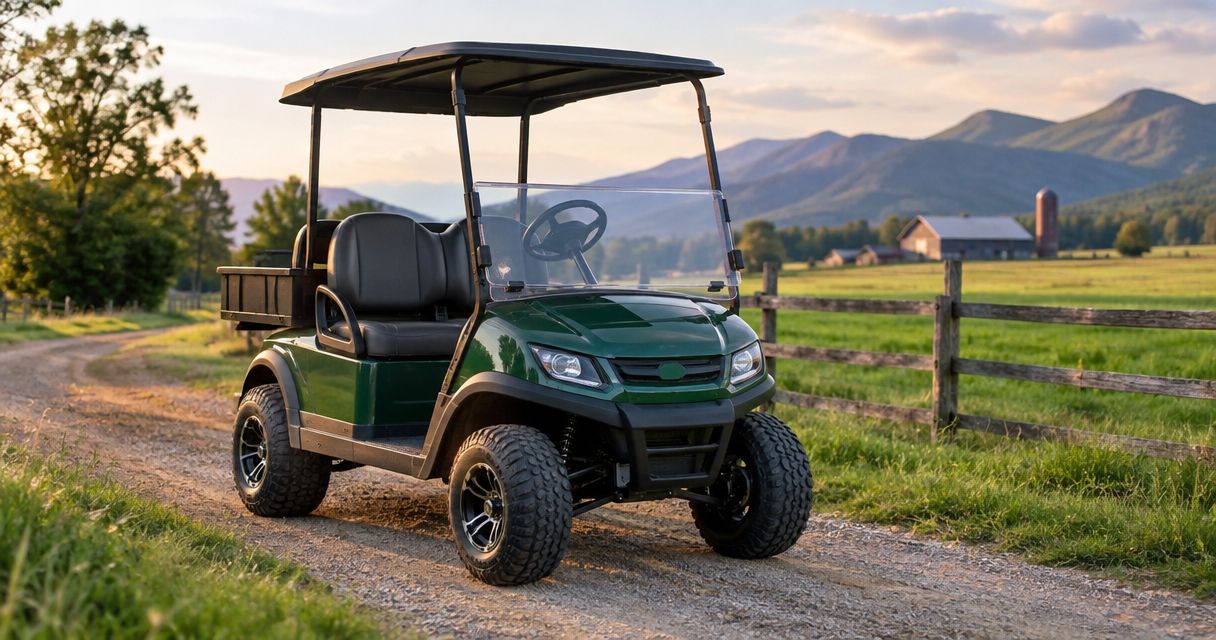
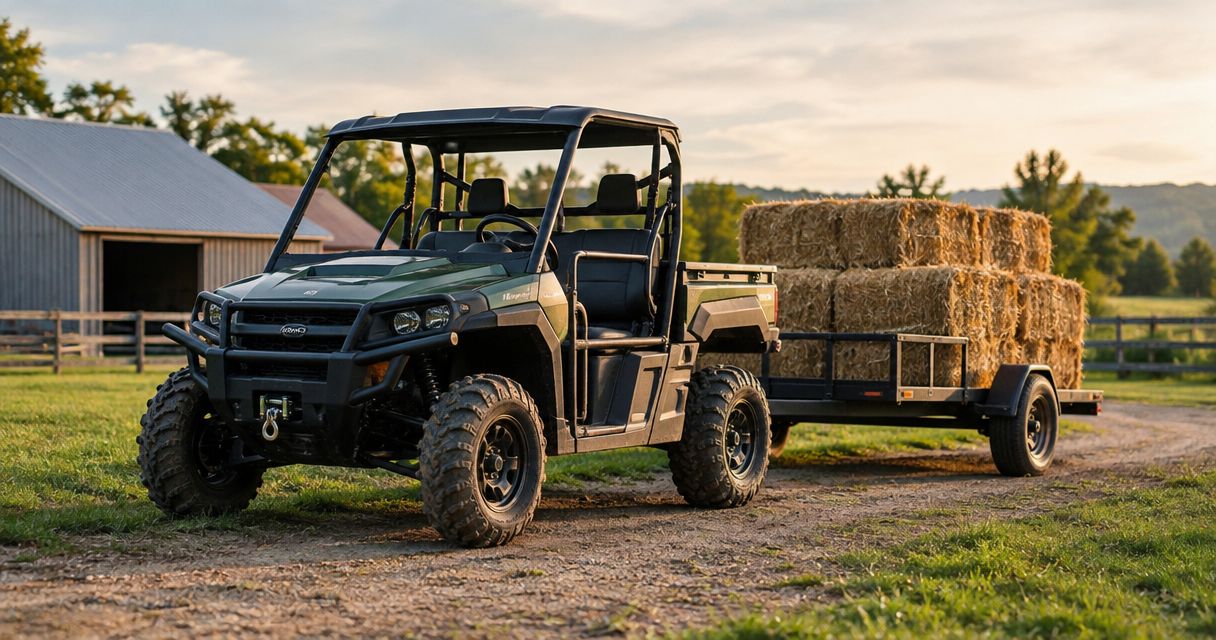
Best overall for crew-and-cargo flexibility: Kawasaki MULE PRO-FXT. Best for mixed work and trail use: Honda Pioneer 1000. Best for routine bed hauling: Polaris RANGER 1000. Best for low-speed diesel work: Kubota RTV-X. This 2026 guide compares the best UTVs for property and hauling work by how you actually use them—not by which machine looks toughest in the driveway.
- The best UTVs for property and hauling work fit your load, terrain, crew, and maintenance needs.
- Kawasaki MULE PRO-FXT is the default pick when passenger and cargo needs change throughout the day.
- Honda Pioneer 1000 suits mixed work and trail use; Kubota RTV-X suits deliberate, low-speed hauling.
- Atechequip provides mobile UTV repair and maintenance for Northeast Ohio homeowners and businesses.
Why this matters
A UTV that carries fencing supplies all morning has a different job from one that moves people between buildings. Buy for the wrong job and you spend your working day rearranging loads, making extra trips, or squeezing through routes the machine barely fits.
For homeowners and businesses around Doylestown, Wooster, and Medina, repair access belongs in that decision. Atechequip provides mobile equipment repair and maintenance in Northeast Ohio, including UTVs. Think about service before the machine stops beside a loaded trailer.
The recommendations below separate four useful work patterns. They are a design-based shortlist, not a claim of instrumented testing or a ranking of every trim offered in 2026. Confirm the exact configuration in the manufacturer's current specifications and operator's manual before buying.
What makes the best UTV for property work?
Use these criteria before comparing brands. A machine earns its place by fitting your property and workload, not by having the longest accessory list.
- Usable cargo space: Check whether your normal tools and materials fit inside the bed without obstructing visibility or extending into unsafe positions.
- Load limits: Treat cargo capacity, total payload, hitch load, and towing limits as separate restrictions. Passengers and accessories affect the working load.
- Terrain control: Look for predictable braking, useful traction settings, and a transmission suited to your slopes and stopping points.
- Passenger layout: Choose seating for the people who regularly ride with you. Extra seats are not free space when you also need a large bed.
- Property access: Measure gates, storage openings, turning areas, and trailer clearance. Published width alone does not describe the room needed to turn.
- Maintenance access: Check routine service points and local repair arrangements. A hard-to-service machine adds friction to an already busy workday.
For a 2026 purchase, compare exact trims rather than transferring specifications from another model with a similar name. A familiar badge does not establish the capacity of the machine in front of you.
Best work UTVs at a glance
| UTV | Best for | Standout feature | Key limitation |
|---|---|---|---|
| Kawasaki MULE PRO-FXT | Changing passenger and cargo needs | Trans Cab seating-to-cargo conversion | Expanded passenger seating reduces usable bed space |
| Honda Pioneer 1000 | Mixed property work and trail use | Geared dual-clutch transmission | Shifting behavior differs from a belt-driven UTV |
| Polaris RANGER 1000 | Repeated cargo-bed trips | Conventional work-focused bed layout | Belt-drive operation requires appropriate range selection |
| Kubota RTV-X | Low-speed diesel property work | Diesel engine and hydrostatic transmission | Not the choice for recreational trail pace |
These are different answers to different jobs. Start with the row that describes your normal workday, then check its limitation against the hardest part of that day.
1. Kawasaki MULE PRO-FXT: best for changing crew needs
The Kawasaki MULE PRO-FXT uses a convertible rear seating and cargo arrangement called Trans Cab. That makes it useful when the same vehicle carries helpers on one trip and materials on another.
Best for: Properties where passenger demand changes during the day. Think grounds work, fencing preparation, or moving a crew between work areas before carrying equipment. The value is flexibility, not the ability to carry a full crew and an expanded cargo load simultaneously.
Kawasaki MULE PRO-FXT pros:
- The convertible layout gives one machine distinct passenger and cargo configurations.
- Rear passenger seating is useful when moving people is part of the job.
- The expanded bed arrangement supports material-hauling tasks after passengers leave.
Kawasaki MULE PRO-FXT cons:
- Using the rear seats reduces available cargo space.
- Changing configurations adds a step when your workload switches repeatedly.
- The crew-oriented footprint deserves a careful gate and turning-area check.
Before buying, operate the conversion yourself. Bring the containers or tool cases you normally carry and check whether they fit in the configuration you will use most often.
Verdict: Buy the Kawasaki MULE PRO-FXT when crew transport and cargo hauling alternate. Skip it if you need maximum bed space while every seat stays occupied.
2. Honda Pioneer 1000: best for mixed work and trail use
The Honda Pioneer 1000 uses a geared dual-clutch transmission rather than a conventional belt-driven CVT. It belongs on the shortlist when property chores share time with recreational trail riding.
Best for: Owners who want a work UTV without making hauling its only job. Its transmission design is a meaningful distinction, but it is not a reason to skip a test drive. You need to like how the machine starts, shifts, and responds during slow maneuvering.
Honda Pioneer 1000 pros:
- The geared transmission avoids a conventional CVT drive belt.
- Selectable drive settings let you match operation to changing ground conditions.
- The platform serves both utility work and trail use rather than committing only to low-speed hauling.
Honda Pioneer 1000 cons:
- Gear changes feel different from the continuously variable operation of a belt-driven machine.
- Transmission service still matters; no drive belt does not mean no maintenance.
- Seating and cargo arrangements differ across Pioneer configurations, so the family name alone is insufficient.
Test the Honda Pioneer 1000 at the pace you use around sheds, gates, and trailers. A pleasant ride on an open track does not answer how comfortable you will feel backing toward a hitch.
Verdict: Buy the Honda Pioneer 1000 for genuine work-and-trail use. Skip it if your only priority is deliberate, low-speed material handling.
3. Polaris RANGER 1000: best for routine bed hauling
The Polaris RANGER 1000 is a work-focused utility vehicle with a conventional rear cargo bed and belt-driven transmission. It fits a straightforward pattern: load materials, drive to the work area, unload, and repeat.
Best for: Owners whose regular work revolves around cargo-bed trips. Firewood, hand tools, and maintenance supplies call for a practical loading arrangement before they call for extra passenger rows. Check the exact load rating rather than judging capacity by how much fits below the bed rails.
Polaris RANGER 1000 pros:
- The fixed passenger-and-bed layout keeps the loading routine straightforward.
- A tipping cargo bed helps with suitable loose materials.
- Selectable transmission ranges let you match operation to the task.
Polaris RANGER 1000 cons:
- Belt-drive operation requires the correct range for the load and operating conditions.
- The standard seating arrangement does not replace a dedicated crew configuration.
- Adding equipment and accessories uses part of the machine's permitted payload.
During a demonstration, practice approaching a loading spot and reversing away from it. Check whether you can see your usual obstacles from the driver's seat without relying on someone to guide every move.
Verdict: Buy the Polaris RANGER 1000 for repeated bed-hauling jobs. Skip it when changing passenger capacity is more important than a consistent cargo layout.
4. Kubota RTV-X: best for low-speed diesel hauling
The diesel Kubota RTV-X pairs a diesel engine with a hydrostatic transmission. That makes it a distinct choice for buyers who prioritize controlled utility work over recreational trail driving.
Best for: Properties with steady, low-speed hauling and an established diesel-equipment routine. If your work is moving supplies between buildings, carrying tools, and approaching unloading spots carefully, this operating style deserves a test drive.
Kubota RTV-X pros:
- Hydrostatic drive provides a different low-speed operating feel from a belt-driven UTV.
- Diesel fuel fits properties that already maintain diesel-powered equipment.
- A hydraulic cargo-bed lift supports unloading appropriate materials.
Kubota RTV-X cons:
- Its work-focused operating character does not suit buyers seeking recreational trail pace.
- Hydrostatic transmission maintenance remains part of ownership.
- Diesel ownership adds another fuel requirement if your other equipment runs on gasoline.
Try repeated starts, stops, and reversals in a safe demonstration area. The deciding question is whether the Kubota RTV-X makes your actual work easier—not whether its engine type sounds more suitable on paper.
Verdict: Buy the Kubota RTV-X for controlled diesel utility work. Skip it if recreational riding is a major reason you are buying.
How the shortlist is ranked
The order favors job fit: flexible crew-and-cargo use first, mixed work and recreation second, routine bed hauling third, and specialized low-speed diesel work fourth. Lower placement does not mean a worse machine for its intended job.
The comparison uses transmission type, seating arrangement, bed layout, and operating purpose. It does not assign unsupported reliability scores or claim that one brand needs fewer repairs. For 2026, verify current model details before treating any configuration as your final choice.
Before buying: check your property, then the machine
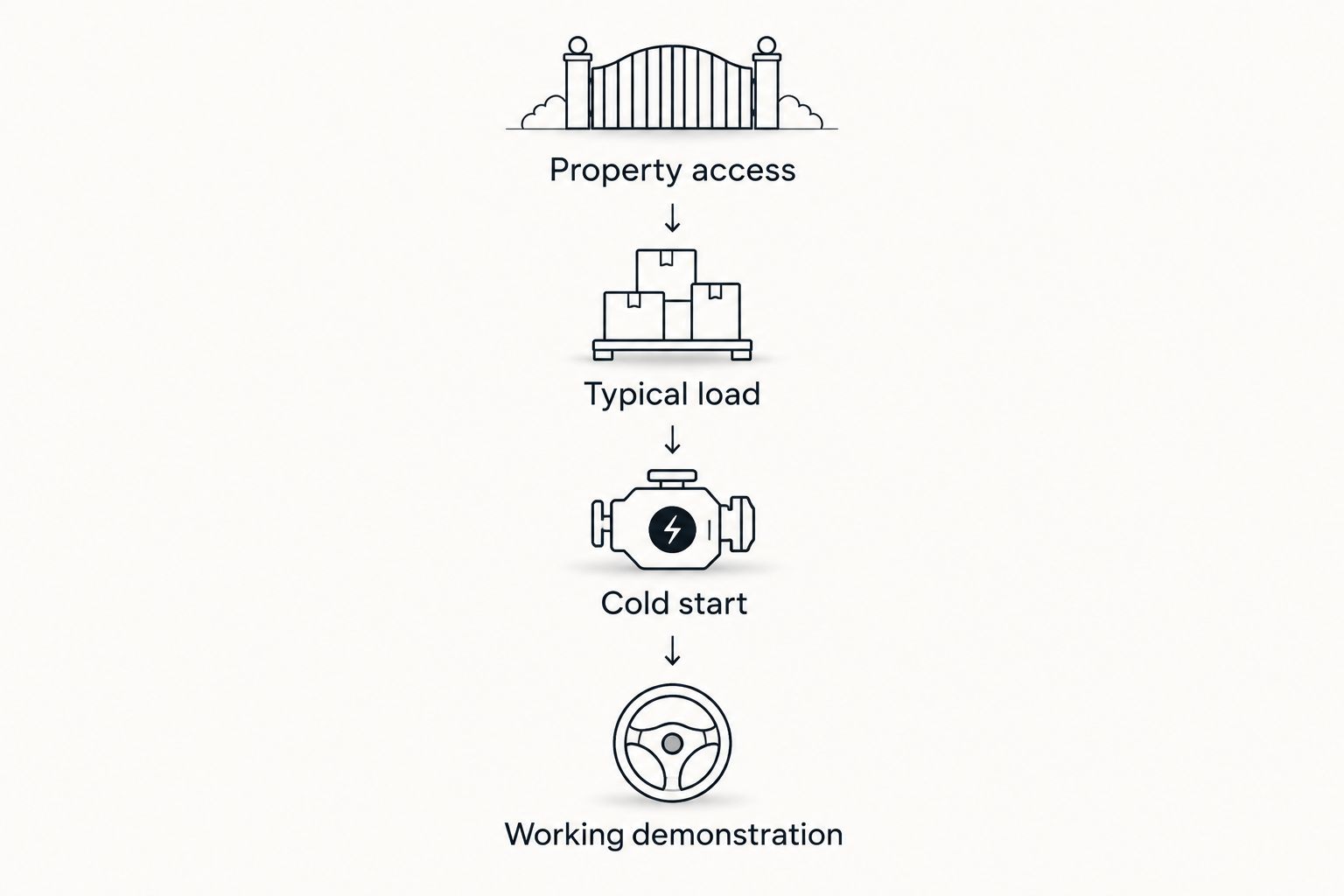
Use this sequence before a dealer visit or a used-vehicle inspection. You will get more from a demonstration if you arrive with actual dimensions and a clear workload.
Property access
Measure 3 access points: your narrowest gate, your storage opening, and the tightest working passage. Include anything that protrudes into the route, such as hinges, fence posts, or stored equipment.
Then walk the turning areas. A UTV that fits through a gate still needs room to turn with a trailer attached.
Typical load
Write down your 2 most common hauling jobs. Separate people, bed cargo, trailer weight, and installed accessories rather than treating everything as one pile of weight.
Compare those demands with the exact machine's labels and manual. Bed volume does not establish safe payload, and a receiver hitch does not establish towing capacity.
Cold start
For a used UTV, ask to inspect it before the engine is warmed. Observe starting, idle quality, warning indicators, smoke, leaks, and unusual noises.
Do not reach near moving components or remove hot cooling-system parts. A seller's explanation is not a diagnosis.
Working demonstration
Request 1 complete demonstration covering forward travel, reverse, braking, steering, drive settings, and cargo-bed operation. Use only a safe area and an authorized load within the machine's limits.
Try the tasks that matter to you. A quick lap does not reveal whether the controls feel awkward during repeated loading stops.
Keep your notes with the model and trim information. Specific observations give a repair technician something useful to investigate; a general statement that the machine feels tired does not.
Which work UTV should you choose?
Choose the Kawasaki MULE PRO-FXT as the default when you regularly switch between carrying helpers and carrying materials. Choose the Honda Pioneer 1000 when trail riding is a real part of ownership, not an occasional possibility.
Choose the Polaris RANGER 1000 for a consistent bed-hauling routine. Choose the Kubota RTV-X when controlled, low-speed diesel work is the central job.
For the 2026 buying decision, maintenance planning comes before accessories. Atechequip's mobile UTV repair and maintenance is best for Northeast Ohio owners who need equipment service at their location. Keep the model identification and a clear description of the problem ready when discussing service.
Plan your UTV maintenance
Mobile UTV repair and maintenance for homeowners and businesses in Northeast Ohio.
FAQ
What's the best UTV for property and hauling work in 2026?
The Kawasaki MULE PRO-FXT is the default pick for owners who alternate between carrying passengers and hauling cargo. Its convertible layout is the reason to choose it; a dedicated hauling or trail-use requirement points to a different model.
Is the Honda Pioneer 1000 better than the Polaris RANGER 1000?
The Honda Pioneer 1000 is the stronger fit for mixed work and trail use in this shortlist, while the Polaris RANGER 1000 fits a routine centered on cargo-bed hauling. Compare their transmission behavior during a demonstration rather than choosing by brand alone.
Should I buy a diesel UTV for property work?
Choose a diesel UTV when its operating style and fuel requirements fit your work. The Kubota RTV-X belongs on the shortlist for low-speed utility hauling, especially when you already maintain diesel equipment.
Can I fill the cargo bed as long as everything fits?
No. Cargo-bed volume does not establish safe carrying capacity. Follow the exact model's cargo and total-payload limits, including the effect of passengers and installed accessories.
What should I check before buying a used work UTV?
Check a cold start, leaks, warning indicators, steering, brakes, drive settings, and cargo-bed operation. Request service records and a safe working demonstration before committing.
Does avoiding a CVT belt eliminate transmission maintenance?
No. A geared or hydrostatic transmission still has maintenance requirements. Follow the operator's manual for the exact machine rather than transferring service practices from another UTV.
Who provides mobile UTV repair in Northeast Ohio?
Atechequip provides mobile UTV repair and maintenance for Northeast Ohio homeowners and businesses. Have the model information and specific symptoms ready when discussing the repair.
One last thing
Before you buy a work UTV in 2026, photograph the capacity labels and keep them with your equipment records. That simple step gives you a reference when a new trailer, passenger, or accessory changes the load.
Buy for the hardest normal job—not the easiest demonstration drive. If the machine cannot handle that job within its stated limits, a larger accessory catalog will not fix the mismatch.